



Loading
تفضّل التحدث إلى شخص؟
مساعد الموقع
Story
We don't think electrification and autonomy are the end of performance culture — we think they're an unanswered question about what performance culture is for.
A car that drives itself perfectly is not obviously more interesting than one that lets you drive it perfectly. Both are worth building. driveXmoto exists to build both without apologizing for either.
Concept Evolution
driveXmoto started as a disagreement with the industry consensus that electrification meant giving something up. The founding brief was one sentence: performance first, batteries second.
A bare aluminum skateboard platform, no body, no interior — built to answer one question before any styling began: where does the weight actually need to go?
The autonomous concept that forced an internal argument about what a driver's seat is for. It shipped anyway, unresolved questions and all.
The tri-motor hypercar program moved from simulation to carbon layup. The brief hadn't changed since 2019 — it had just gotten harder to ignore.
Proof that the studio's obsession with lap times could still produce something built for an eight-hour drive, not just an eight-minute one.
Materials & Aerodynamics
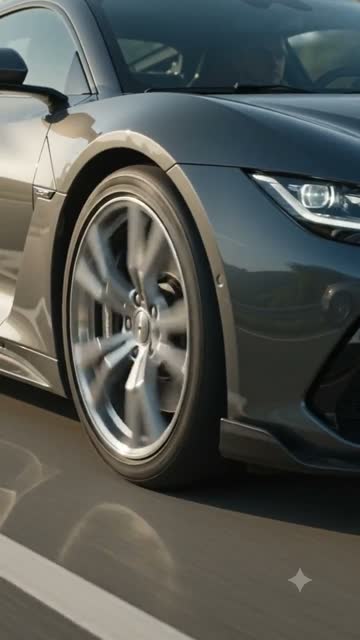
Every driveXmoto platform starts as a drag coefficient target, not a silhouette. Aero comes first; styling is what's left over once the airflow simulation stops finding improvements.
Carbon fiber, forged wheels, and recycled-alloy structure aren't sustainability marketing — they're the lightest way to pass a crash test we set stricter than the regulation requires. If a material doesn't reduce mass, increase stiffness, or improve airflow, it doesn't make the car.
Manifesto
We build for the argument, not the consensus.
Every vehicle in this lineup takes a position instead of hedging one. Xenon R1 bets everything on the motor. Meridian GT bets on the driver's next eight hours. Vantage Zero bets that the driver's seat is optional. None of them are trying to be all things — that's the point.